Switzerland
Swiss Confederation
Switzerland is a country in Western Europe, Europe. Its capital is Bern, home to roughly 8,921,981 people across 41,284 km² of land.
Where is Switzerland?
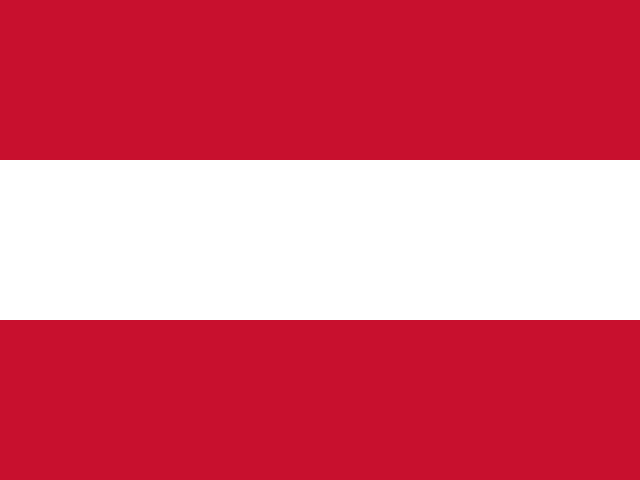
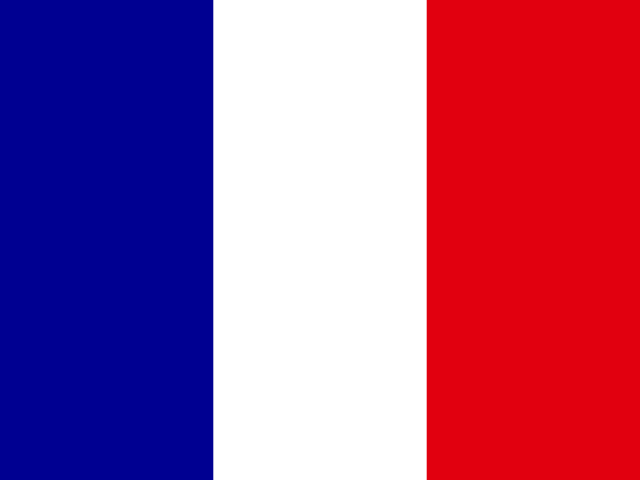
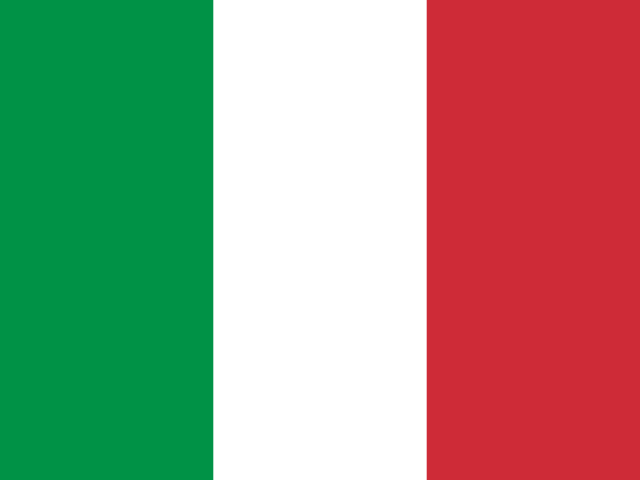
On the map, Switzerland sits in Western Europe, with Austria, France, Italy, Liechtenstein, Germany as its land neighbours. Drag or zoom the map, or open the full interactive world map.
Key facts
- Capital
- Bern
- Continent
- Europe
- Subregion
- Western Europe
- Population
- 8,921,981
- Land area
- 41,284 km²
- ISO codes
- CH / CHE
- Languages
- French, Swiss German, Italian, Romansh
- Coastline
- Landlocked
- Currency
- Swiss franc (CHF)
- Calling code
- +41
- Internet domain
- .ch
How Switzerland compares
Cut off from the sea, Switzerland sits in Europe alongside Austria, France and 3 other neighbours. Population about 8,921,981 (0.1% of the site total); land area 41,284 km², for a worldwide population rank of 100th.
- Population rank
- 100th of 194
- Land-area rank
- 132nd of 194
- Share of world population
- 0.1%
- Population rank in Europe
- 19th of 45
- Land-area rank in Europe
- 31st of 45
- Land borders
- 5
Countries by population · Countries by area · All landlocked countries
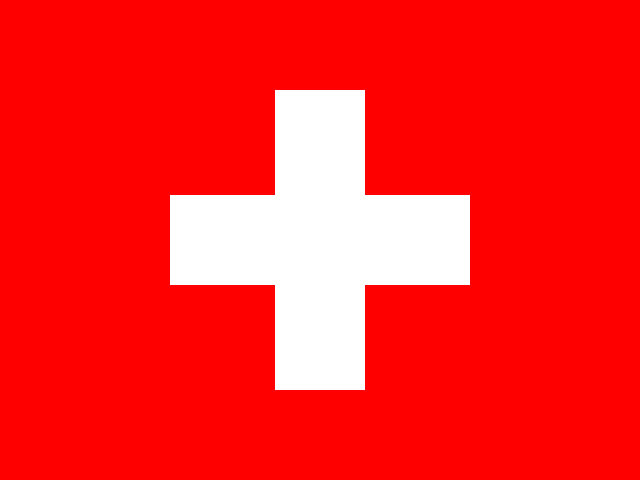
The flag of Switzerland, measured
Every pixel of the flag artwork was counted and grouped by shade.
- Red covers 85.1% of this flag; across the 45 flags of Europe, the average is 36.6%.
- Its red measures #FF0000, a shade that appears unchanged on 18 other flags, among them Mozambique, Australia and Mali.
- Red and white is one of the three most common combinations, found on 18 flags including Canada, Poland and Peru.
Closest palettes
Ranked by how much of the flag's area would have to change colour family to match.


Did you know?
- Switzerland has four official languages: German, French, Italian, and Romansh.
- Swiss neutrality has kept the country out of foreign wars since 1815.
- Swiss watches and precision engineering are global bywords for quality.
- The Alps cover about two-thirds of Switzerland and define its skiing and mountaineering culture.
- Direct democracy lets citizens vote on national referendums several times a year.
 Austria
 France
 Italy
 Liechtenstein
 Germany