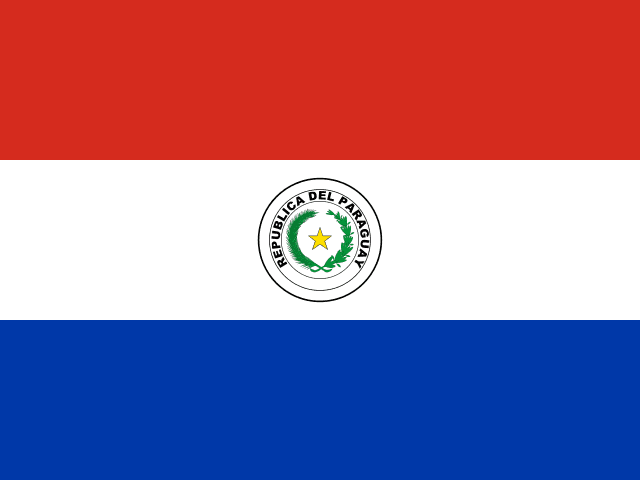
Paraguay
Republic of Paraguay
Asunción is the capital of Paraguay, a country in South America, South America, where roughly 6,929,153 people live across 406,752 km² of land.
Where is Paraguay?
Paraguay lies in South America, South America, and shares land borders with Argentina, Bolivia, Brazil. Drag or zoom the map, or open the full interactive world map.
Key facts
- Capital
- Asunción
- Continent
- South America
- Subregion
- South America
- Population
- 6,929,153
- Land area
- 406,752 km²
- ISO codes
- PY / PRY
- Languages
- Guaraní, Spanish
- Coastline
- Landlocked
- Currency
- Paraguayan guaraní (PYG)
- Calling code
- +595
- Internet domain
- .py
How Paraguay compares
Paraguay is landlocked in South America, alongside Argentina, Bolivia and 1 other neighbour. With about 6,929,153 people on 406,752 km², it ranks 106th by population and 59th by area worldwide — 9th inside South America.
- Population rank
- 106th of 194
- Land-area rank
- 59th of 194
- Share of world population
- 0.09%
- Population rank in South America
- 9th of 12
- Land-area rank in South America
- 8th of 12
- Land borders
- 3
Countries by population · Countries by area · All landlocked countries
The flag of Paraguay, measured
Every pixel of the flag artwork was counted and grouped by shade.
- Slovenia is this flag's palette twin — the two differ on just 0.8% of their area, with Thailand close behind at 1%.
- Blue, red and white is the most common colour combination on any flag: 27 flags use it, among them Thailand, United Kingdom and France.
- 67% of the flags of South America contain yellow; this one does not.
Closest palettes
Ranked by how much of the flag's area would have to change colour family to match.


Did you know?
- Guaraní is an official language alongside Spanish — spoken in parliament and on the street.
- Jesuit mission ruins like Trinidad showcase baroque churches built for indigenous communities.
- Tereré — ice-cold yerba mate — is the national summer drink passed around in shared gourds.
- The Chaco's thorn scrub hides jaguars, giant armadillos, and some of South America's toughest terrain.
- Traditional harp music and polka-influenced polkas soundtrack village fiestas across the countryside.
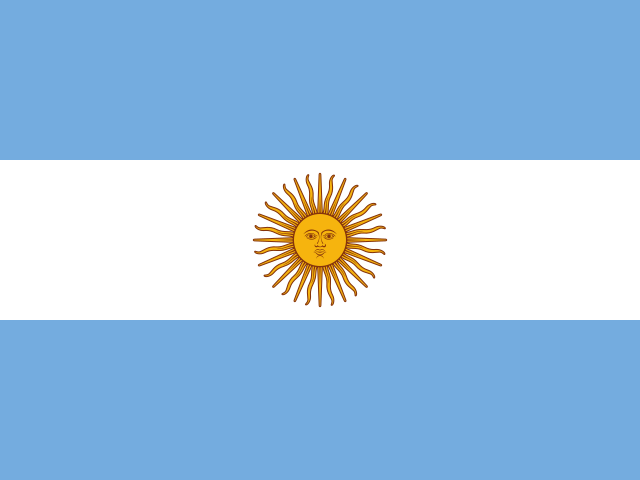 Argentina
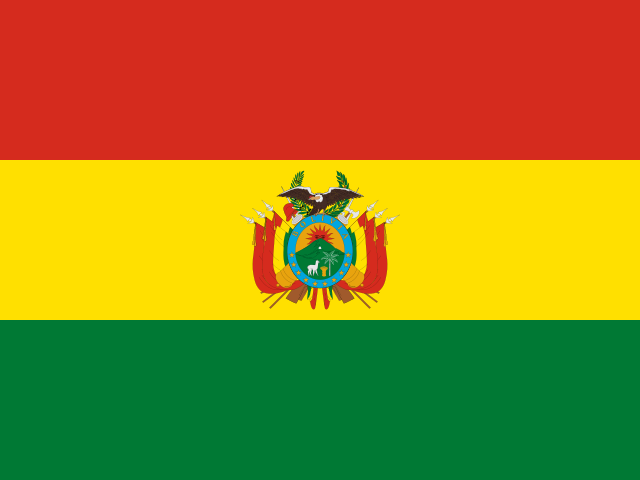 Bolivia
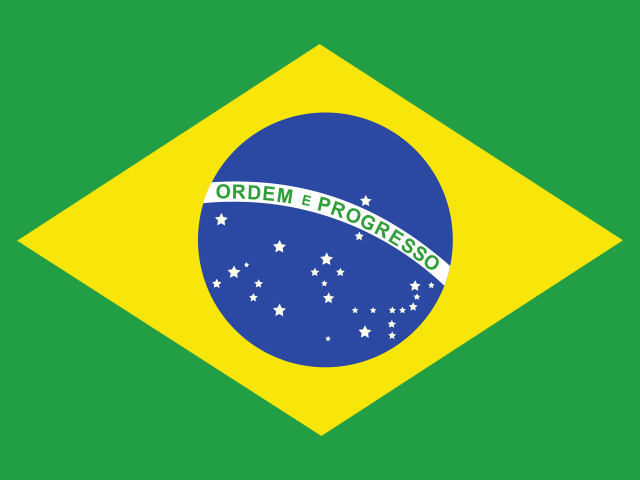 Brazil