Belarus
Republic of Belarus
Belarus is a country in Eastern Europe, Europe. Its capital is Minsk, home to roughly 9,056,696 people across 207,600 km² of land.
Where is Belarus?
Belarus lies in Eastern Europe, Europe, and shares land borders with Latvia, Lithuania, Poland, Russia, Ukraine. Drag or zoom the map, or open the full interactive world map.
Key facts
- Capital
- Minsk
- Continent
- Europe
- Subregion
- Eastern Europe
- Population
- 9,056,696
- Land area
- 207,600 km²
- ISO codes
- BY / BLR
- Languages
- Belarusian, Russian
- Coastline
- Landlocked
- Currency
- Belarusian ruble (BYN)
- Calling code
- +375
- Internet domain
- .by
How Belarus compares
Belarus is landlocked in Europe, alongside Latvia, Lithuania and 3 other neighbours. With about 9,056,696 people on 207,600 km², it ranks 99th by population and 84th by area worldwide — 18th inside Europe.
- Population rank
- 99th of 194
- Land-area rank
- 84th of 194
- Share of world population
- 0.1%
- Population rank in Europe
- 18th of 45
- Land-area rank in Europe
- 13th of 45
- Land borders
- 5
Countries by population · Countries by area · All landlocked countries
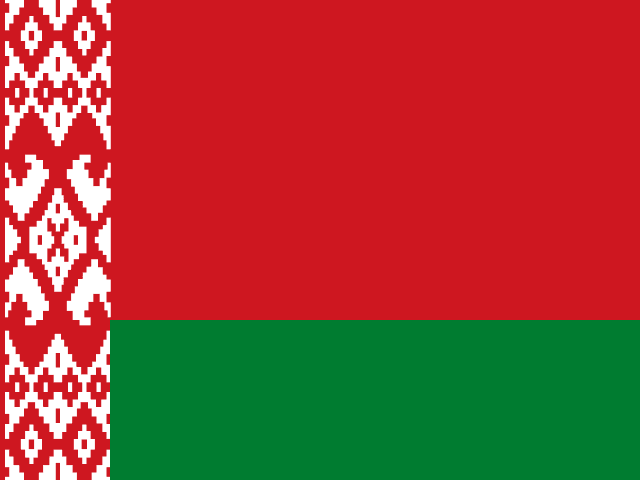
The flag of Belarus, measured
Every pixel of the flag artwork was counted and grouped by shade.
- Red covers 65% of this flag; across the 45 flags of Europe, the average is 36.6%.
- Red, green and white is one of the three most common combinations, found on 11 flags including Italy, Algeria and Madagascar.
- The closest palettes belong to Maldives (differs on 5.9% of the area), Portugal (13.2%) and Oman (16.7%).
Closest palettes
Ranked by how much of the flag's area would have to change colour family to match.


Did you know?
- Belovezhskaya Pushcha, shared with Poland, is one of Europe's last great primeval forests and a refuge for European bison.
- Traditional rushnyky — embroidered ritual cloths — remain important symbols in Belarusian folk life.
- Potatoes are the heart of Belarusian cooking, from draniki potato pancakes to hearty village stews.
- Minsk's grand Soviet-era avenues and rebuilt city center reflect the devastation and reconstruction of the 20th century.
- Victory Day and WWII memorial culture run especially deep here, as Belarus lost a huge share of its population in the war.
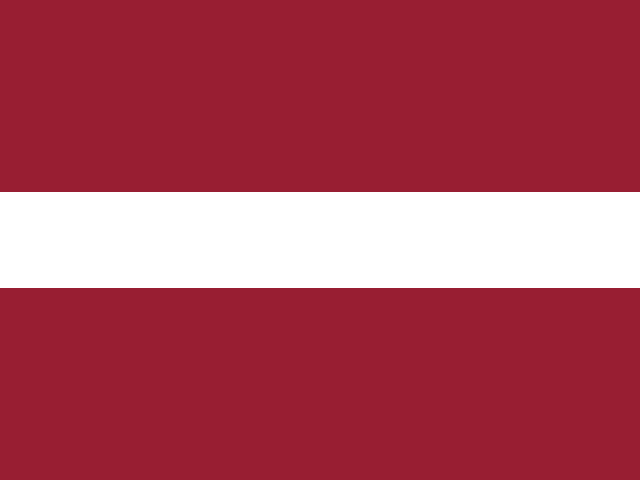 Latvia
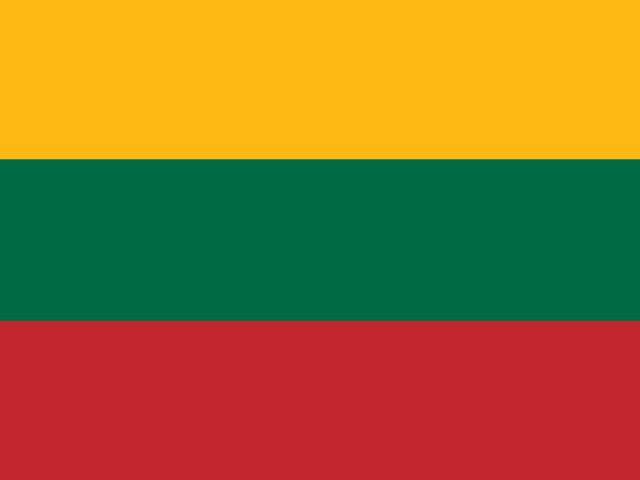 Lithuania
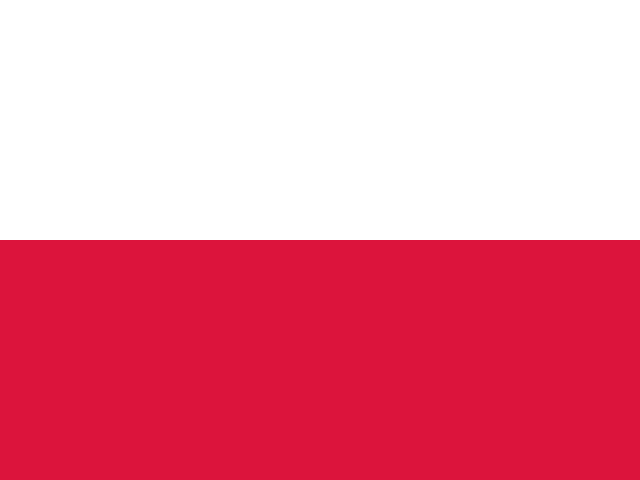 Poland
 Russia
 Ukraine