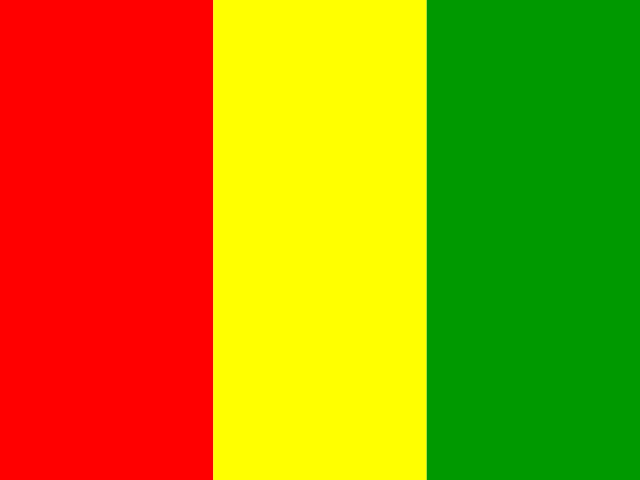
Guinea
Republic of Guinea
Located in Western Africa, Africa, Guinea covers 245,857 km² and is home to roughly 14,754,786 people. Its capital is Conakry.
Where is Guinea?
On the map, Guinea sits in Western Africa, with Ivory Coast, Guinea-Bissau, Liberia, Mali, Senegal, Sierra Leone as its land neighbours. Drag or zoom the map, or open the full interactive world map.
Key facts
- Capital
- Conakry
- Continent
- Africa
- Subregion
- Western Africa
- Population
- 14,754,786
- Land area
- 245,857 km²
- ISO codes
- GN / GIN
- Languages
- French
- Coastline
- Has a coastline
- Currency
- Guinean franc (GNF)
- Calling code
- +224
- Internet domain
- .gn
How Guinea compares
Guinea is in Africa, alongside Ivory Coast, Guinea-Bissau and 4 other neighbours. Roughly 14,754,786 people live across 245,857 km² — about 0.2% of everyone in this dataset — for a world population rank of 74th and an area rank of 77th.
- Population rank
- 74th of 194
- Land-area rank
- 77th of 194
- Share of world population
- 0.2%
- Population rank in Africa
- 27th of 54
- Land-area rank in Africa
- 31st of 54
- Land borders
- 6
The flag of Guinea, measured
Every pixel of the flag artwork was counted and grouped by shade.
- By colour alone, the nearest flag is Mali, which differs on under 0.1% of the area; Lithuania follows at 0.5%.
- Yellow, red and green each cover about a third of the flag — all 3 shares sit within 0.1 points of one another.
- Its red measures #FF0000, a shade that appears unchanged on 18 other flags, among them Mali, Germany and Sudan.
Closest palettes
Ranked by how much of the flag's area would have to change colour family to match.


Did you know?
- Guinea holds roughly half the world's bauxite reserves, the ore used to make aluminum.
- The Fouta Djallon highlands are the source of the Niger, Senegal, and Gambia rivers.
- Guinean djembe drumming traditions are among the most influential in West African music.
- The Fula flute and balafon orchestras of the northeast are celebrated at festivals across the region.
- Conakry's markets overflow with vividly dyed textiles and the sounds of Susu and Malinké traders.
 Ivory Coast
 Guinea-Bissau
 Liberia
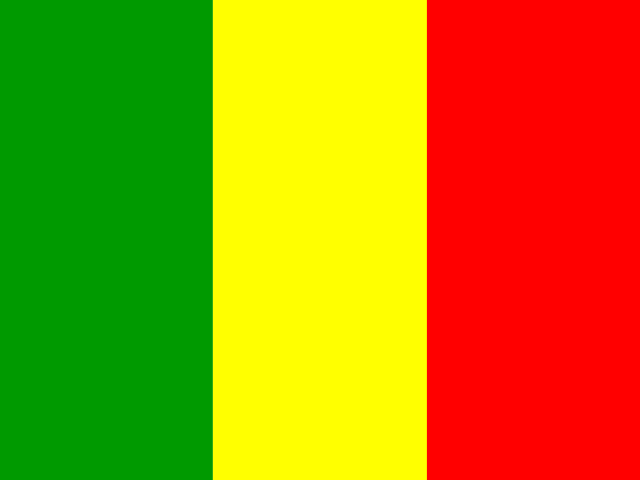 Mali
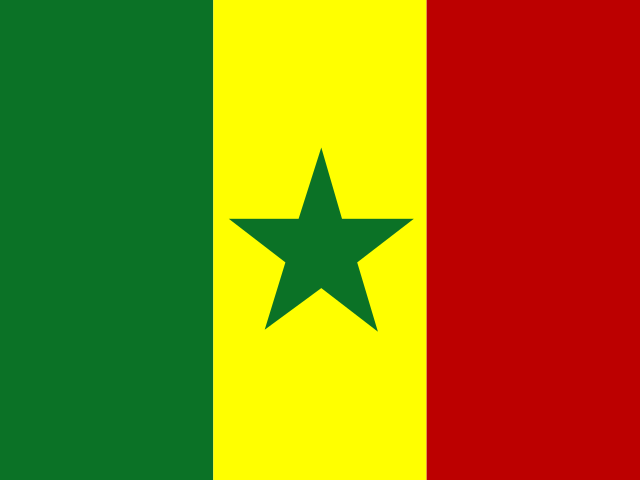 Senegal
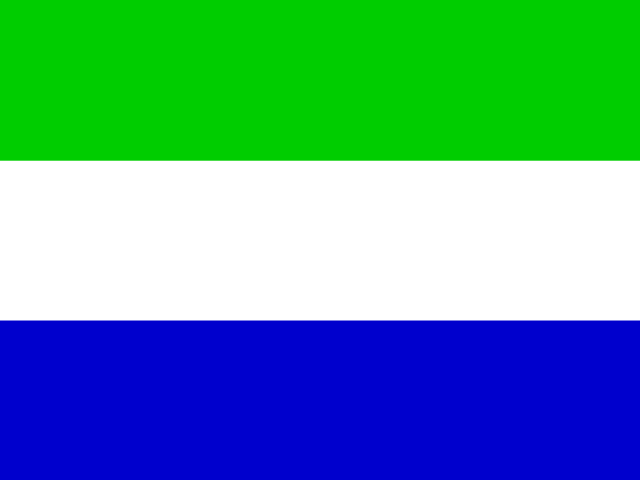 Sierra Leone